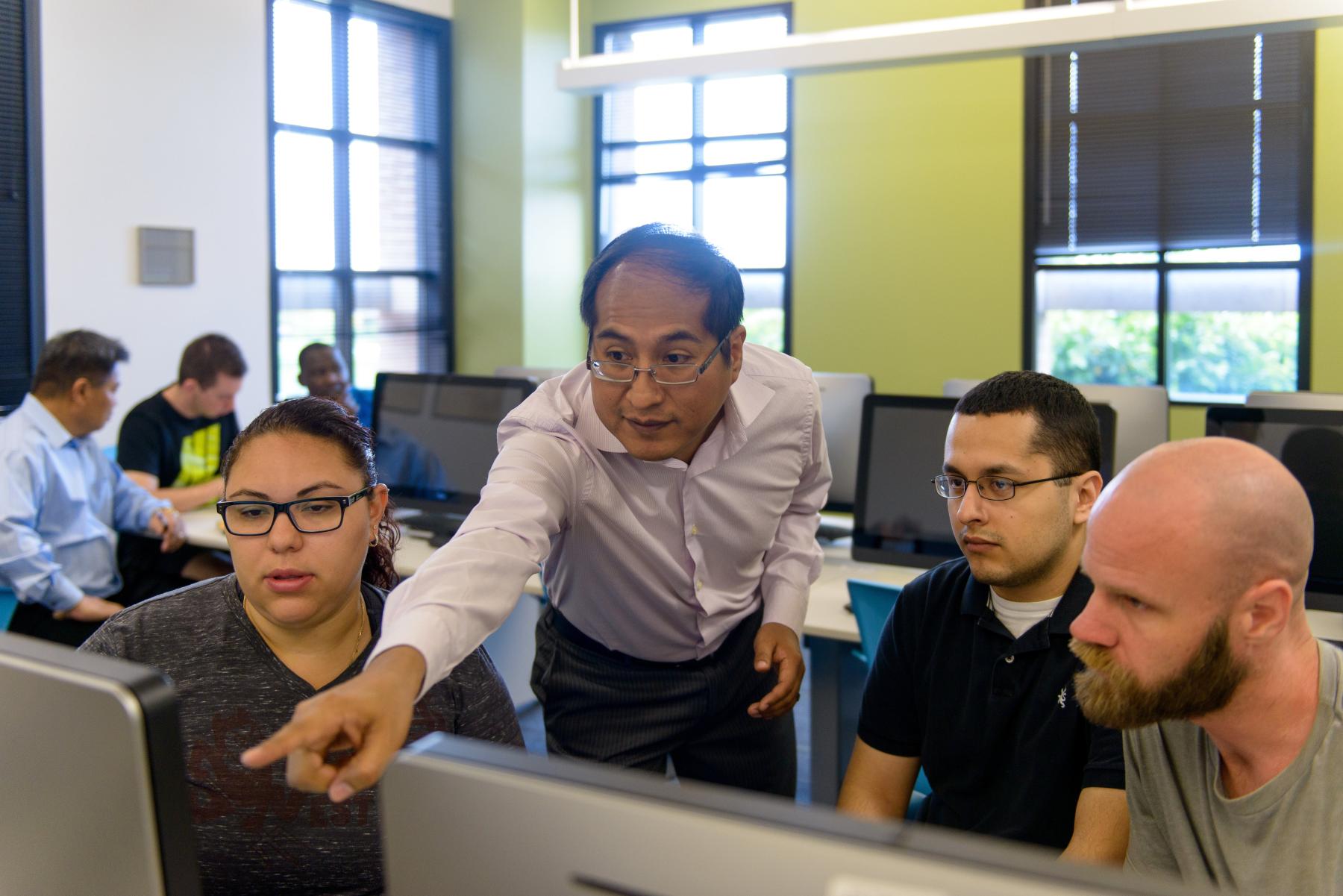
New mentorship program for postdocs is taking shape
Over the past several months, the Postdoctoral Affairs Office has been putting together a mentoring program to assist postdocs with getting the experience and connections they need to successfully prepare for and acquire the type of job they want to get at the end of their time as a postdoc. Utilizing the Lean Six Sigma process, the office has surveyed, brainstormed and assembled a pilot project that will be rolled out this spring.
The program is designed with two main goals: (1) to match postdocs who want to explore industry careers with professionals in those type of companies; and (2) to connect postdocs who may, for whatever reason, need more guidance than they are currently receiving, from faculty members who have capacity to mentor additional postdocs.
We know the majority of you have very good relationships with your PI/supervisor. This is validated by your responses in the recent postdoc survey. Many of you did mention, however, that a mentoring program could be beneficial. The new mentoring program will work to fill the gap and help postdocs connect with professionals in all career pathways.
So how will this work? Well, in some mentoring programs, mentees are assigned a mentor, they meet, get to know each other, talk about work, and sometimes turn into group therapy. That’s not really what we want. The key to this program will be the implementation of Individual Development Plans, or IDPs, as they’re often called. IDPs can take many forms, and there is not necessarily a right or a wrong version of one. Mostly they are a way to put goals and tasks down on paper, and then have accountability towards executing on those activities.
Finally, the mentor program will incorporate a Mentor Compact. The Compact will provide a framework for the mentor-mentee relationship, and will make sure that both parties are collaborating and that everything is above board.
As part of this new program, we'll be adding mentor/mentee resources to the Postdoc Office webpage. We'll also be adding events to the professional development calendar to help catalize mentoring relationships and to provide best practices for mentors and postdocs. Third, we will also be looking for a small group of postdocs to help us pilot this new program. If you would be interested in participating, send an email to [email protected] and put “Mentor Program” in the subject line.
More stories from the Graduate Insider

Grad15: Time Management for Graduate Students
Graduate school is an exciting and rewarding journey, but it can also feel overwhelming at times. Effective time management is one of the most valuable skills students can develop. By practicing these strategies now, graduate students not only set themselves up for success during their programs but also carry these habits into future professional and personal endeavors. Even individuals outside of academia can benefit from practical approaches to managing time.

Snacks, coffee and office hours at the Graduate College
The Graduate College has a space just for graduate students. Whether you need a quiet place to study, a mental breather between classes, or just a moment to sip some coffee and grab a snack, this space is for you. Here's what's on the agenda for the fall 2025 semster.
Format advising office hours
Mondays and Wednesdays, 2:00 – 4:00 p.m.
Room 288A

Sharing cultural experiences through storytelling
We often read stories to understand the perspectives of others, but how can stories be used as a tool to better understand ourselves? Rebecca Stuch pursued the Fulbright U.S. Student Program to support her dissertation research abroad in Moldova, where she investigated how Moldovan youth experience, interpret and negotiate their understanding of national identity in a post-Soviet context.