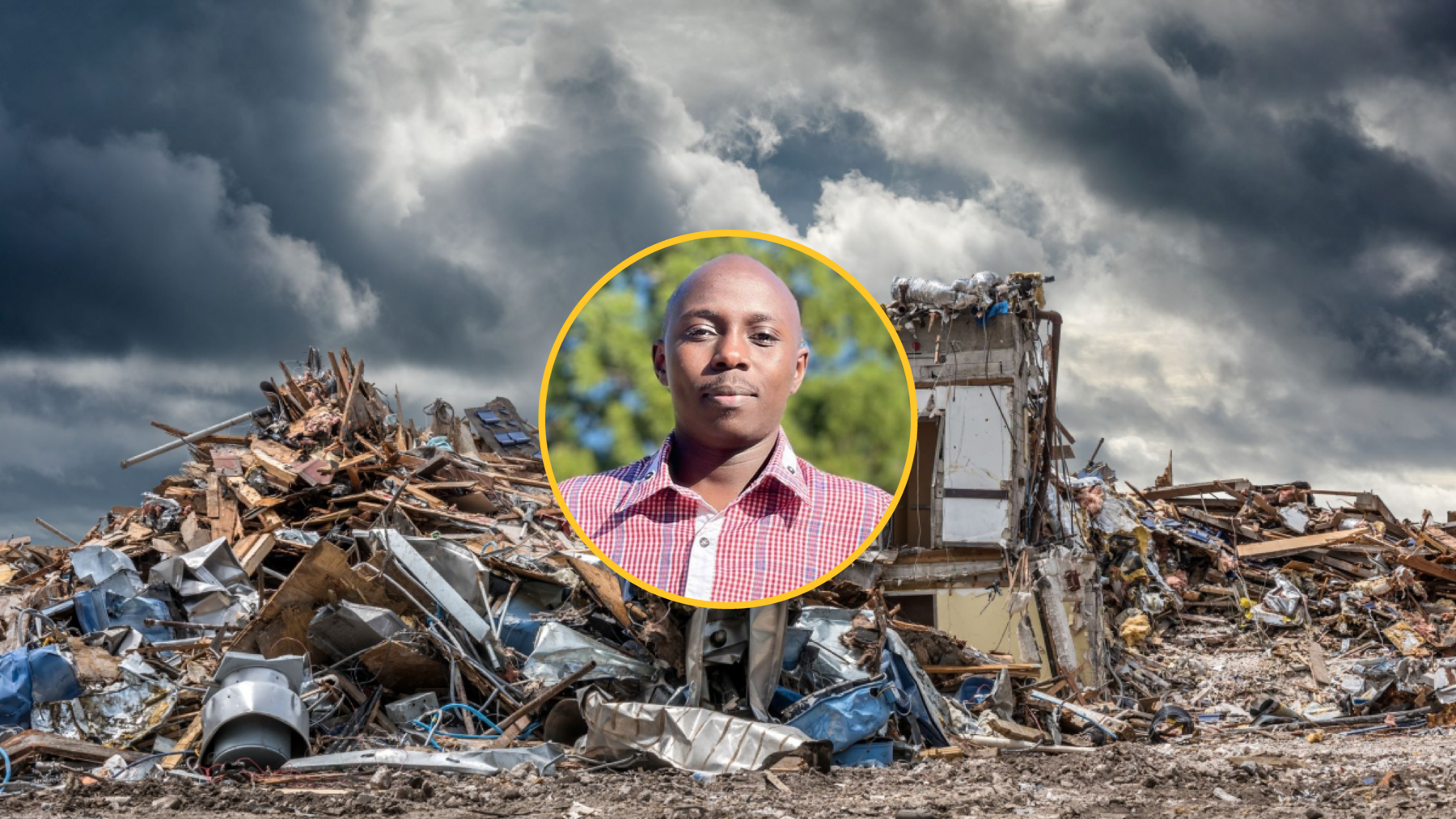
Student Spotlight: Joseph Karanja — Tackling Heat Vulnerability Through Research
Meet Joseph Karanja, a fourth-year PhD candidate at ASU's School of Geographical Sciences and Urban Planning. Focused on addressing heat vulnerability among at-risk populations — including those experiencing homelessness, living in mobile homes, or working outdoors — Joseph is a dedicated researcher driven to make a difference.
Reflecting on his recent experience at the Bill Anderson Fund’s 2024 fall workshop, which trains disaster science scholars and professionals. Joseph highlighted the power of community-focused science, “The session on community engagement offered practical examples of how we can operationalize science to those who need it the most: the communities,” Karanja shared. His vision is to become a tenure-track professor specializing in the social and environmental determinants of hazards.
Discover more about Joseph’s impactful work and how the Bill Anderson Fund fosters a supportive, collaborative community of future leaders in disaster research here.
More stories from the Graduate Insider

Inside Graduate College’s Three Minute Thesis competition
When Aliyah Egan stepped onto the stage as a master’s student in last year’s Graduate College Three Minute Thesis (3MT) competition, she faced a challenge familiar to many researchers: explaining complex, specialized work to an audience with little or no background in her field.

Mentoring with intention: Strengthening graduate support at ASU
January is National Mentoring Month, a time to celebrate the impact mentoring can have and to reflect honestly on where gaps remain. At Arizona State University, mentoring is recognized as a critical component of graduate student success.

Graduate education is an adventure
About eighteen months ago, I set out on a journey walking the islands of the Dodecanese during a sailing trip in Türkiye and Greece with several friends. Along the way, I found winding paths, timeless villages and breathtaking views of sea and sky. That experience got me thinking about how adventure shows up in other parts of life, especially in learning.